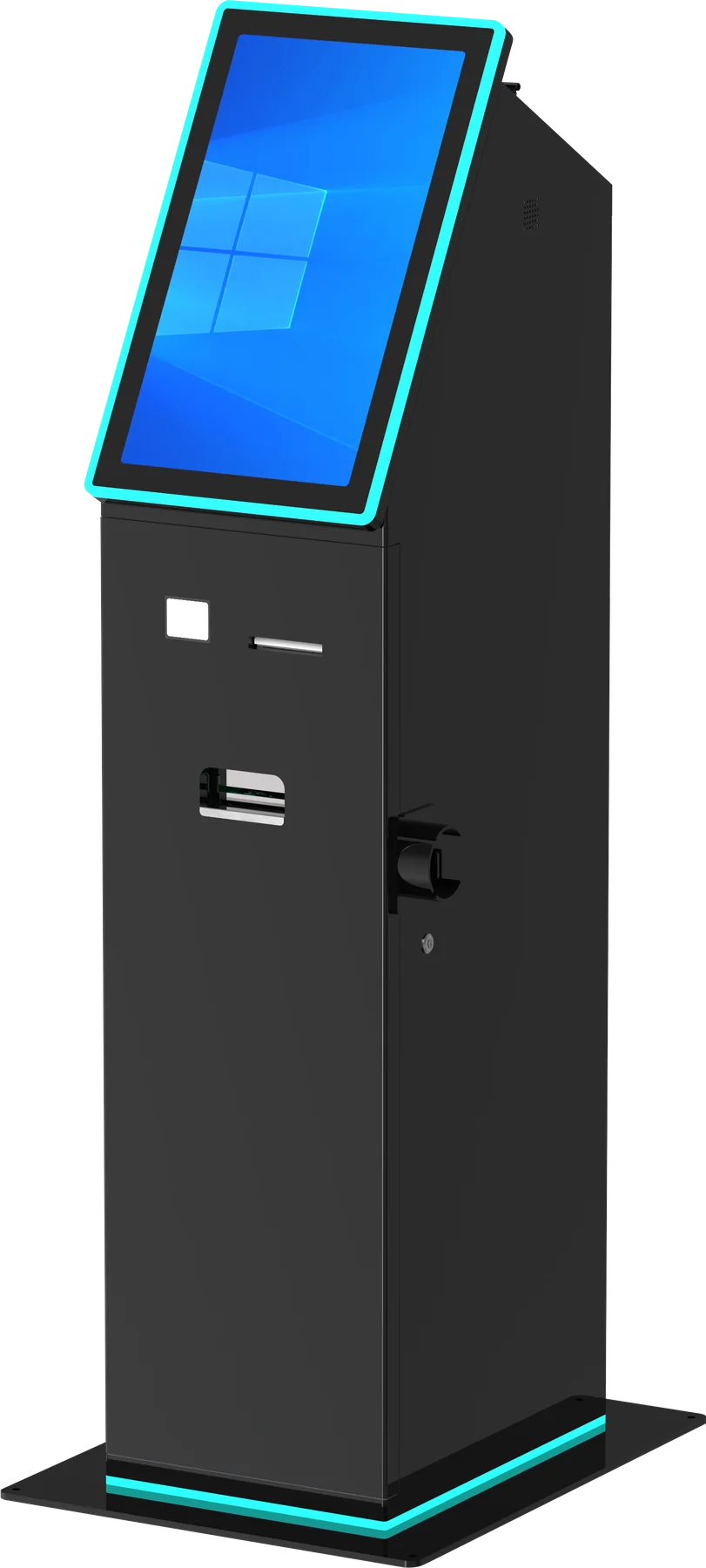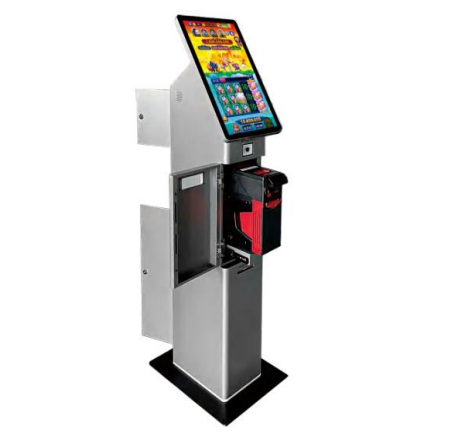
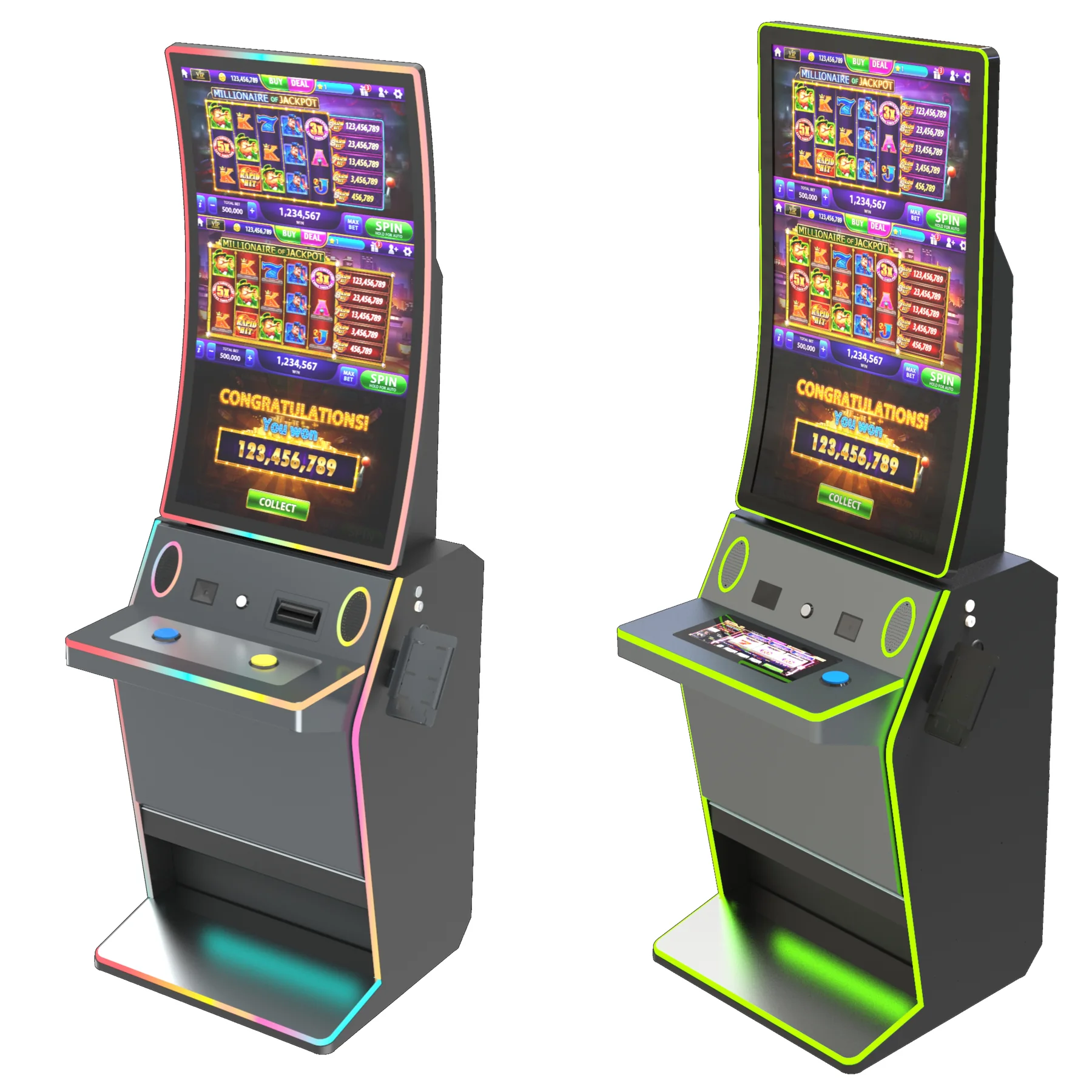
Quick answer: A 32-inch curved cash handling kiosk is an attractive addition to a casino floor, but the curve is the least important part of the purchase. The real questions are about compliance, ticketing integration, and what the machine will cost you in year three — not year one. Before you commit to a vendor, work through the five checks below across a realistic 12-week evaluation window.
Overview
A 32-inch curved cash handling kiosk is an attractive addition to a casino floor, but the curve is the least important part of the purchase. The real questions are about compliance, ticketing integration, and what the machine will cost you in year three — not year one. Before you commit to a vendor, work through the five checks below across a realistic 12-week evaluation window.
A 32-inch curved cash handling kiosk is a self-service terminal that accepts cash and dispenses tickets or funds in supervised gaming environments. Its real value is not the curved display but the cash security, compliance, and player-flow impact it brings to a casino floor — so verify the bill validator’s currency support, state gaming compliance, and floor footprint before purchase. The curve affects engagement; the cash module affects your license.
Why 32-Inch Curved Kiosks Get Speced — and What to Verify in 48 Hours
Most buying guides for this equipment stop at screen size and resolution. That is precisely why casino deployments fail: the failure points are almost never visual. In the first 48 hours of comparing vendors, you should verify three operational facts — not marketing claims:
- Cash-type support: ask the vendor to confirm, in writing, which validator and firmware version handles the exact denominations and physical condition of currency your floor handles daily.
- Regulatory posture: ask for copies of third-party certifications and any state gaming commission approvals or prior installation references — not a promise that “compliance is handled.”
- Physical fit: the 32-inch curved form factor changes your floor footprint and line-of-sight. Get a dimensional drawing and test it against your actual floor plan and ceiling-height lighting before you pay for a demo unit.
Generic kiosk checklists won’t surface these gaps, because they are written for retail and hospitality, not regulated gaming. The questions that matter stretch across a 12-week buyer journey, and most vendor quotes start looking different by week 12.
Week 1: Compliance Questions That Eliminate Rejected Deployments
Compliance risk is the single largest reason a cash kiosk project stalls after the purchase order is signed. In the first week, ask each vendor for documentation, not assurances:
- Third-party certification: Ask which safety and security listings apply (for example, UL-listed equipment relevant to cash-handling terminals) and request the actual certificate number and issuing body. Most US states require verifiable third-party certification for equipment handling cash in supervised environments — request it in writing.
- Audit-ready logging: Confirm the kiosk logs every transaction with timestamps, operator IDs, and cassette events in a format that survives a gaming or AML audit. Ask whether the logs integrate with your existing suspicious-activity reporting workflow or whether exporting is manual.
- State gaming commission standing: Ask for prior installation references in jurisdictions with active gaming control boards, and be prepared to verify those references directly. If the vendor hesitates, that is an answer.
The American Gaming Association and your state gaming commission publish guidance on responsible cash handling — use those sources as your baseline, and ask the vendor to map their equipment to that guidance explicitly.
Week 12: Total Cost of Ownership — How to Compare Quotes Without Getting Nicked
By week 12 you have quotes side by side. The cheapest upfront number is rarely the cheapest machine. Force every vendor to price the full lifecycle:
- Service and spares: What is the guaranteed response time, and are spare parts stocked in your region? A kiosk that sits dark for three days on a busy floor costs more in lost revenue than a higher upfront price. Get the service-level agreement in writing.
- Validator reliability: Ask for the bill validator’s modeled service life and mean time between failure in the vendor’s own documentation. Well-known validator brands (JCM and MEI are common industry references) have established service networks — verify the exact model and where that service is performed.
- The curved panel premium: A curved display costs more to replace than a flat one, and high-traffic zones see accidental damage. Ask for the replacement panel price and whether the warranty covers accidental damage or only manufacturing defects. This single question separates honest quotes from marketing ones.
- 24/7 operating cost: Casino floors run around the clock. Ask for the kiosk’s power draw and cooling requirements so you can model the added operating expense, not just the purchase price.
Side-by-Side: The Spec Sheet Every Vendor Should Fill In
Rather than publish a fixed comparison that will be outdated by your next RFP, use this table as the template you send to every vendor. The column on the left is what you request; the right column explains why it changes your decision.
| Request from each vendor | Why it changes the decision |
|---|---|
| Validator brand, model, and firmware version for your currency types | Determines acceptance rate, service network, and spare-part availability |
| Compliance listings and certificate numbers (copies, not summaries) | Separates deployable equipment from rejected deployments |
| Panel brightness (nits) and antiglare specification | Predicts readability under high-ceiling casino lighting |
| Replacement cost for the curved panel and warranty scope | Reveals the true lifecycle cost of the form factor |
| Native TITO/slot-accounting support or required middleware/API work | Determines integration budget — the most common hidden cost |
| Power draw and cooling requirements | Adds to 24/7 operating expense you must model |
| Service response time and local spare-parts stock | Measures revenue risk when a unit fails |
If a vendor cannot or will not populate these fields in writing, treat that as a disqualifying signal. A curved screen that improves player engagement is only valuable when the cash handling behind it is dependable — and only you can verify that.
Frequently Asked Questions from Casino Buyers
Are curved cash kiosks harder to repair than flat ones?
Generally yes, for one reason: the curved panel is a less standardized part, so replacement cost and lead time tend to be higher than for flat displays. Ask the vendor for the replacement panel price and stock availability before purchase, and confirm whether the warranty covers accidental damage common in high-traffic zones.
What certifications do US casinos require for a cash handling kiosk?
Requirements vary by state and are set by the applicable gaming control authority, so there is no single national list. You should request third-party safety and security certification documentation from the vendor, and verify any state gaming commission approvals against prior installations. Treat “fully compliant” as a claim to be documented, not accepted.
Can a 32-inch curved kiosk integrate with our existing TITO system?
It depends on whether the kiosk natively speaks the TITO protocol used on your floor or requires a middleware layer. Ask whether connection to your slot accounting system (for example IGT or Aristocrat platforms) needs custom API development, and get the cost and timeline in writing — integration work is a common source of budget overruns.
What is the average lifespan of a cash handling kiosk?
Lifespan depends more on the validator and service model than the display. Ask each vendor for the documented service life and mean time between failure of the bill validator, plus their service-level agreement for response time and spare parts. A machine is only as good as the support contract behind it.
Can a curved kiosk be repurposed for non-cash functions later?
Sometimes — ask whether the cash module is removable and whether the same chassis can host card-only or loyalty applications down the line. If future flexibility matters to your floor plan, this should be a written specification, not an assumption.
Next Step: Compare Against a Real Datasheet
The fastest way to pressure-test any vendor’s claims is to put their spec sheet next to a real product datasheet and look for the gaps. If you are evaluating the 32-inch curved form factor for a regulated gaming floor, start there — and if you are working with us, our team will walk you through the compliance and integration questions above with the actual documentation in hand.
Request a quote or datasheet for the K320FS-3 curved cash handling kiosk to begin your comparison. For larger projects, our custom kiosk OEM/ODM process explains how a brief moves from specification to production — useful when you need floor-specific modifications rather than an off-the-shelf unit.