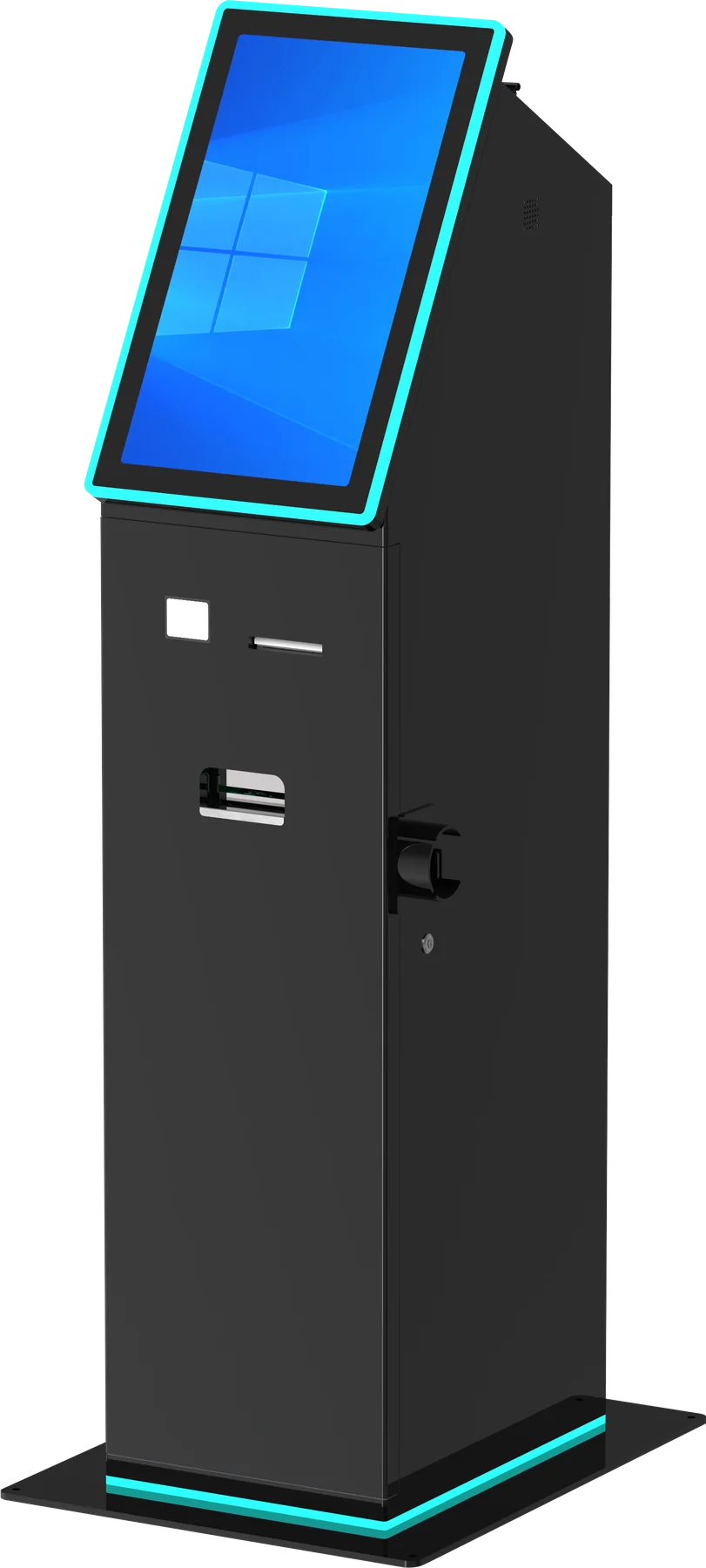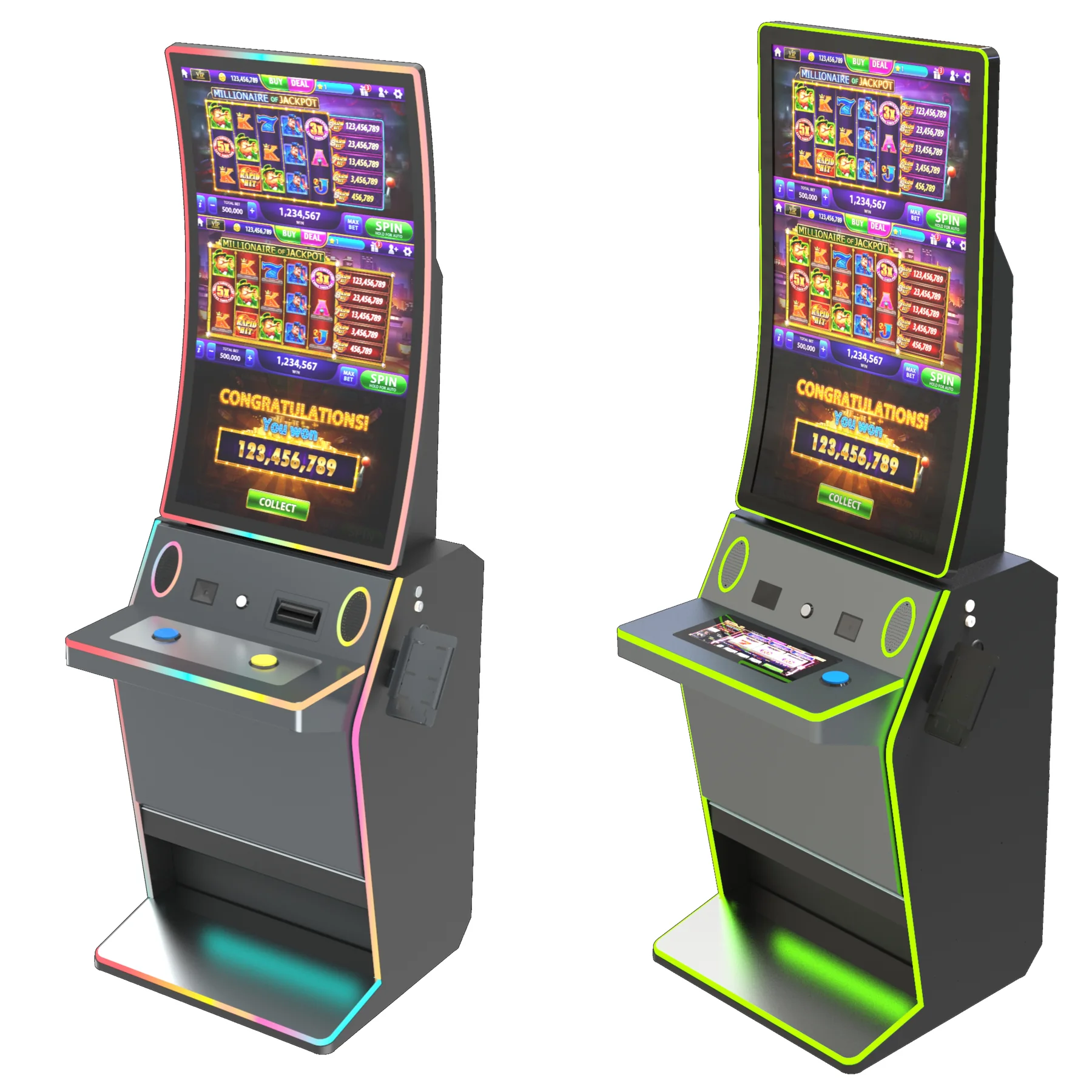
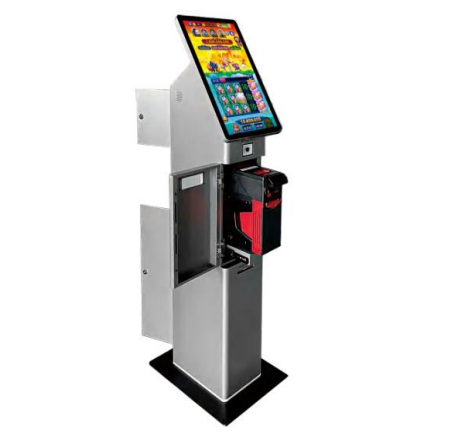
Quick answer: Short answer for buyers: A cash deposit machine (CDM) only accepts and validates notes into a single safe — it does not give change back. A cash recycler closes the loop: it validates incoming notes, stores them, and recycles the same notes as change for withdrawals. For high-volume cash operations where customers pay AND receive cash in the same shift, a recycler cuts daily cash-handling labor by 30–120 minutes per store and typically pays back in 12–24 months. Your OEM spec sheet, not the machine’s brand, decides which one you actually need.
Overview
Short answer for buyers: A cash deposit machine (CDM) only accepts and validates notes into a single safe — it does not give change back. A cash recycler closes the loop: it validates incoming notes, stores them, and recycles the same notes as change for withdrawals. For high-volume cash operations where customers pay AND receive cash in the same shift, a recycler cuts daily cash-handling labor by 30–120 minutes per store and typically pays back in 12–24 months. Your OEM spec sheet, not the machine’s brand, decides which one you actually need.
Why this decision matters more than it used to
Cash is not dying — it is being re-engineered. The cash-recycling hardware market is growing at roughly 14.5% CAGR, and the intelligent-safes cash-management segment is projected to rise from about $32.1B in 2025 to nearly $63B by 2033. Retailers, banks, casinos, fuel stations, and unattended kiosk operators are all being pushed toward closed-loop cash by two forces at once: labor costs per cash-handling minute are climbing, and European regulators are actively legislating that cash remain accepted everywhere. This is not a marginal efficiency trend — the European Central Bank and the Swedish Riksbank both frame physical cash as a protected, ongoing part of the payments mix rather than something being phased out.
For a B2B buyer sourcing through an OEM/ODM, the wrong choice between a CDM and a recycler is not a small spec error — it is a multi-year hardware commitment you cannot quietly reverse once branded, certified, and deployed in the field.
The core difference: does it give change back?
Everything else on the spec sheet follows from one question: in normal operation, does the machine hand cash back to a customer? A CDM is a one-directional intake vault. A recycler stores and then dispenses the same validated notes, which changes how many cassettes you need, how often a CIT truck visits, and how much of your staff’s day goes to ferrying cash to a back-office safe. The table below captures the practical specification differences.
| Spec / Behavior | Cash Deposit Machine (CDM) | Cash Recycler (CRS) |
|---|---|---|
| Core job | Accept + validate + store cash | Accept, validate, store, AND dispense the same cash as change |
| Gives change back | No — one-directional intake | Yes — closed-loop |
| Note denominations | Typically 1–2 note cassettes (intake) | Multiple cassettes, mixed denomination management |
| Coin handling | Usually none | Optional coin recycler / dispenser module |
| Recirculation | None | Same physical notes returned as change |
| Refill frequency | High (safe fills fast, no change source) | Low — fewer CIT pickups per week |
| Upfront cost | Lower | Higher (30–60% more hardware) |
| Best fit | Collection points: ATMs, night depots, drop safes | Point-of-sale & attended/unattended retail: checkout, fuel, casino cages |
Match the machine to the cash-flow shape of YOUR operation
The single best test is: in one shift, does cash flow in and back out again? Answering that cleanly usually settles the CDM-versus-recycler question before you ever compare cassette counts or prices.
Choose a CDM when the money only goes one way
Pick a deposit machine for collection and deposit points where staff place takings into a safe but never hand change back to customers — for example ATM cash-in, night-drop safes, and back-office deposit terminals. This profile is defined by lower transaction frequency with denser value per transaction: money arrives in batches and is secured, rather than circulating through a till during the shift.
Choose a cash recycler when cash flows both ways
Choose a recycler wherever customers both pay and receive change in the same shift: retail and self-checkout lanes, fuel stations, convenience stores, casinos, and high-traffic unattended retail. The decisive signal is whether staff currently walk to a back safe to restock the till several times a day — a recycler removes that round trip by keeping validated change on-site, which is why the cash-integration decisions made at cabinet level tend to determine how much of that labor you can actually eliminate.
Independent of which you pick, the operational payoff of recycling is concrete: industry analysis puts the labor saved at roughly 30 to 120 minutes of cash handling per store per day — time staff currently spend counting, reconciling, and ferrying cash between till and safe.
Regulatory pressure is changing the default spec
European cash-protection momentum is making “does it accept and return cash” a compliance question, not just an efficiency one. The EU has moved toward requiring retailers to accept cash at face value, and Sweden’s cash-access law is already on the books. Add the digital-euro framework, which is explicitly positioned by the European Central Bank as a complement to — not a replacement for — physical cash. The practical implication for an OEM buyer: hardware ordered today should plan for a 2030 cash environment where acceptance is legally protected, not for a cashless one.
What to put on your OEM specification sheet
When you brief an OEM, the brand of the recycler module matters less than whether the spec forces the right decisions. Insist on getting these answered in writing:
- Denomination architecture: how many note cassettes, which currencies, and does it physically recycle or just store-and-return?
- Note validator spec: counterfeit-rejection rate and note-condition tolerance (folded, worn, taped) for your real market mix.
- Fitness-for-purpose: indoor vs outdoor rating (IP), operating temperature range, and MTBF on the note path.
- Certifications for your target market: CE / UL / FCC / national cash-machine standards — do not assume one cert covers your export market.
- Connectivity: offline fallback, audit reporting, remote monitoring APIs, and how reconciliation data is exported.
- Lifecycle & spares: sensor/roller service life, MTTR, spare-parts availability, and firmware update commitment over the machine’s life.
- MOQ & lead time: minimum order, NRE/customization costs, and how long a certification re-run adds.
De-risk before you commit
Because this is a branded, certified, long-life asset, the risk is not the machine — it is locking the wrong spec early. De-risk by: validating with a physical sample or engineering unit before full production, insisting on a spec sheet that names exact validator and cassette models rather than marketing phrases, and confirming the OEM’s certification roadmap covers your target export markets, not just the OEM’s home market. If your use case is a high-visibility, high-traffic deployment, the same discipline that applies to a curved cash-handling kiosk applies here: ask the vendor the questions that expose hidden compliance and lifecycle cost, not the ones that flatter the brochure.
FAQ
Can a cash deposit machine and a cash recycler use the same note validator?
Often yes — many OEM builds pair a shared validator platform and only differ on the storage-and-dispense module. The recycler adds a dispense path and extra cassettes, so the cabinet, firmware and security certification change even if the validator head is identical. Confirm both the validator and the dispensing transport on your spec sheet rather than assuming one model covers both jobs.
Does recycling the same notes back to customers create a counterfeiting or fitness risk?
A properly specified recycler validates notes on the way in and rejects unfit or suspect notes to a separate cassette, so only validated, fit notes recirculate. The real risk is under-specifying the note-condition tolerance for your market’s worn or taped notes — that is what drives jams and accept-rate complaints, not the recycling concept itself.
I only take cash in — is a recycler ever worth the extra 30–60%?
Generally no. If your operation is one-directional intake with no in-shift payouts, a CDM at lower upfront cost is the right economic call. Consider a recycler only when you would otherwise send staff to a back safe to restock change, because that recurring labor is where the 30–120 minutes per day gets recovered.
Next step
Whether your cash flow is one-way or closed-loop, the right answer is a specification discussion, not a brochure comparison. Request a cash-handling spec consultation and datasheets — tell us your transaction shape, target markets, and volume, and we will map the correct cassette and recycler architecture for an OEM build.