Quick answer: The realistic answer to “how long is the self-service kiosk delivery lead time?” is that there is no single number worth contracting against. A kiosk order is a sequence of nine gates — requirements freeze, design and tooling, long-lead components, certification, sample build, burn-in, production and QC, freight and customs, then site install and commissioning — and the elapsed calendar is the sum of those gates under your specific configuration. Two suppliers can quote the same headline duration while carrying completely different risk underneath it, because one has frozen the cash-module bill of materials and the other has not.
Overview
The realistic answer to “how long is the self-service kiosk delivery lead time?” is that there is no single number worth contracting against. A kiosk order is a sequence of nine gates — requirements freeze, design and tooling, long-lead components, certification, sample build, burn-in, production and QC, freight and customs, then site install and commissioning — and the elapsed calendar is the sum of those gates under your specific configuration. Two suppliers can quote the same headline duration while carrying completely different risk underneath it, because one has frozen the cash-module bill of materials and the other has not.
That distinction is the whole point of this checklist. Instead of asking for a promise date, you ask for a gate plan: which milestones are dated, which are buyer-controlled, which are vendor-gated, and which are compliance-gated in a way that money cannot accelerate. The gate plan is also what you compare suppliers against at shortlist stage, because a vendor that cannot describe its own gates in writing cannot defend a go-live date either.
One limitation applies throughout: actual durations for any gate depend on customization depth, component availability and certification queue position, so treat every figure a supplier gives you as buyer-to-confirm until you see the assumption behind it. The stages below tell you what to verify rather than what to assume.
The nine-stage map: who controls each gate
| # | Stage | Primary control | What must be frozen to close it |
|---|---|---|---|
| 1 | Requirements freeze | Buyer | Transaction flow, denominations, receipt format, branding |
| 2 | Design and tooling | Shared | Dimensioned drawing, materials and finish spec |
| 3 | Long-lead components | Vendor / supply | Currency set, denomination mix, approved alternates |
| 4 | Certification | Compliance-gated | Payment path scope, reader approvals, accessibility targets |
| 5 | Sample build | Shared | Acceptance script the buyer runs on the pilot unit |
| 6 | Burn-in, production, QC | Vendor | Written QC acceptance checklist |
| 7 | Freight and customs | Buyer / logistics | Incoterms rule and HS classification |
| 8 | Site readiness and install | Buyer | Power, network, anchoring, cash procedures |
| 9 | Commissioning and acceptance | Shared | Signed commissioning record, spares list, warranty terms |
Stage 1–2: Requirements freeze and the design/tooling gate
A late requirements freeze is the single largest controllable cause of slippage in a bank kiosk delivery schedule, because everything downstream — tooling, cash-module selection, certification scope, firmware — is reworked if the specification changes after the design is locked. Freezing the transaction flow, cash denominations, statement or receipt format and enclosure branding before design release is the buyer’s strongest lever on the whole kiosk rollout timeline.
Design and tooling is only predictable once the buyer signs off a dimensioned drawing and a materials-and-finish specification rather than a mood board, because tooling shops quote and schedule against geometry. Custom enclosures, special finishes and non-standard screen sizes each add design iterations; selecting a platform enclosure with configurable modules removes most of that iteration from the schedule. If your estate mixes operating systems or mounting types, the platform decision is worth settling at this gate too — the platform-level trade-offs in Android vs Windows kiosk rollout differences change imaging, remote management and integration work later in the programme.
Stage 3: Long-lead components that quietly set the floor
Cash-handling hardware is usually the pacing item in kiosk manufacturing lead time, because bill acceptors, recyclers and dispensers run their own supply and configuration cycles separate from the enclosure build. The acceptor and recycler configuration must match the target currency set and denomination mix at order time; a currency change requested later means a different module sourcing cycle rather than a firmware tweak.
Touch panels, panel PCs, thermal printers and card readers are secondary long-lead items. The practical mitigation is to approve acceptable alternates in writing during the RFQ so that a single part shortage cannot stall the programme, and to confirm which parts are single-sourced. If your deployment involves multi-currency cash recycling, the specification logic in the cash-recycling module specification guide applies directly to how you brief the module vendor.
Stage 4: Certification gates that money cannot accelerate
Payment security is a schedule gate in its own right, so the payment path should be scoped early against the PCI DSS requirements published by the PCI Security Standards Council rather than treated as paperwork completed at the end of the project. Card-reader acceptance depends on EMVCo specifications and kernel or type-approval status; hardware that is not on the required approval list cannot be substituted late without restarting that leg of the schedule.
Regional radio and electrical approvals, plus accessibility requirements for the enclosure such as reach ranges for seated and standing users, must be identified during design. Retrofitting reach height or a certification label after production typically means rebuilding units, which is why accessibility targets belong in the drawing sign-off, not the site survey.
Two clarifications matter here. A factory-level certification is not the same thing as model-level compliance, and a framework document such as a PCI standard is not a product-specific approval — always ask which certificate applies to which legal entity, which model, and which market.
Stage 5–6: Sample build, burn-in, production and QC
The sample or pilot unit exists to prove the transaction flow end to end, and it is the point where the buyer should run their own acceptance script instead of approving from photographs or a specification sheet. A sample that is approved on appearance alone defers the discovery of cash-path, cable-routing or thermal faults into the production batch.
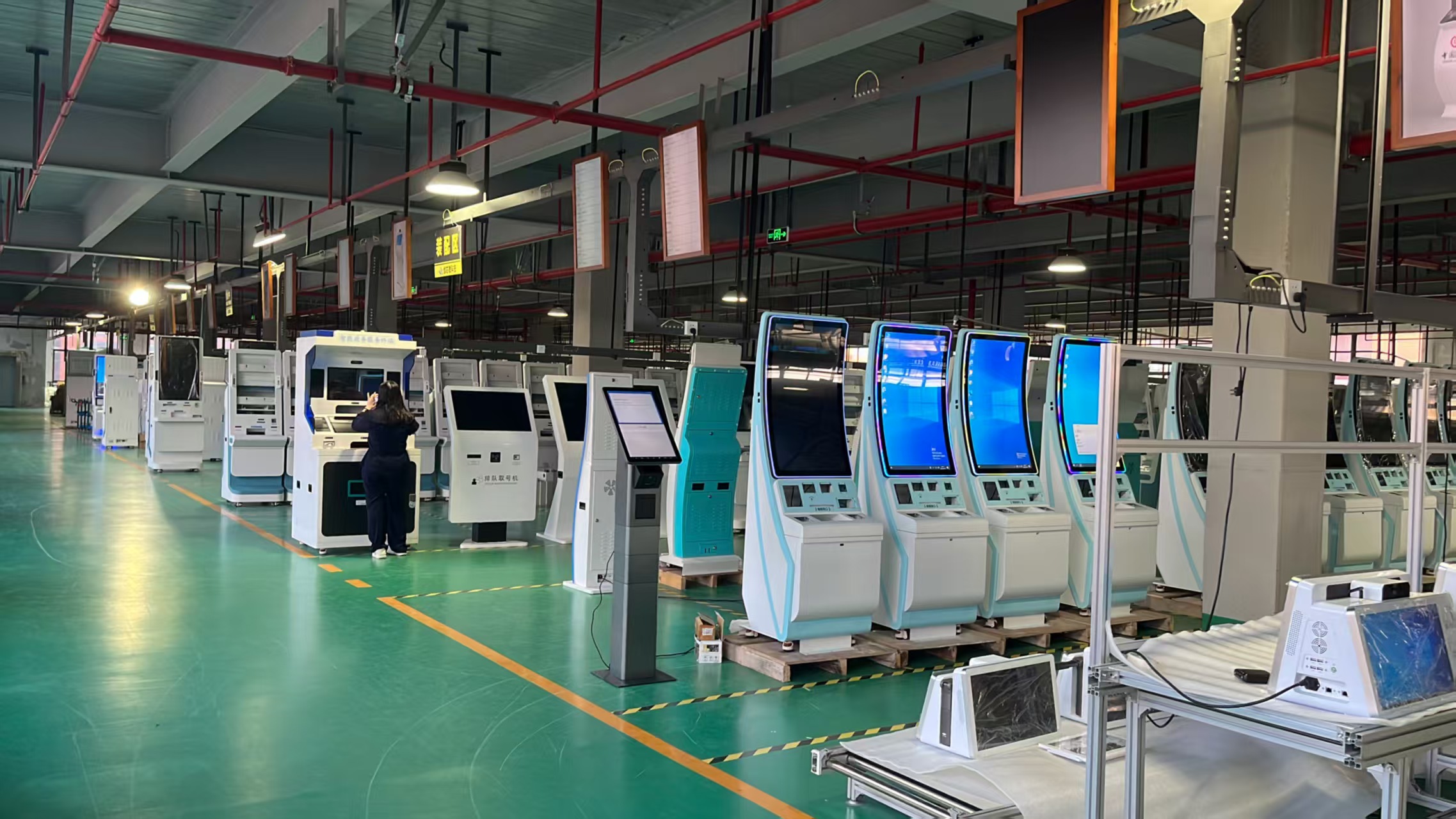
Burn-in and reliability testing sit between sample approval and full production release, and this is the stage that catches faults before they are replicated across a whole order. It is reasonable to ask for a factory walkthrough clip of the burn-in bay and the cash-path test bench so your acceptance criteria match what the line actually checks. Production and QC release should then be gated on a written checklist covering the cash path, printer output, network failover and enclosure condition, so a batch is signed off against criteria rather than a general impression.
Stage 7: Freight, customs and HS classification
International freight and customs routinely add more calendar time than buyers budget for, so the shipping term should be fixed in the RFQ and read against the Incoterms 2020 rules published by the ICC to make explicit who books, insures and clears the goods. Ambiguity about the delivery term is a common source of arguments precisely when a branch opening date is at risk.
HS classification for the kiosk and for its sub-assemblies should be agreed in advance using the World Customs Organization harmonized system, because a classification query at the port stalls delivery regardless of how ready the factory is. Duties, broker lead time and inland transport to the branch should appear as named milestones in the schedule: they sit outside the manufacturer’s control but still land on your go-live date.
Stage 8–9: Site readiness, install, commissioning and acceptance
Branch readiness is a buyer-controlled gate that frequently becomes the real constraint, because power, the network drop, floor anchoring and cash-handling procedures must all be complete before the unit can be commissioned. A kiosk waiting in a warehouse for a floor plate is a schedule failure that no supplier can fix.
Installation and commissioning should be scheduled as a fixed window with the branch removed from normal teller traffic where possible, so that an unsuccessful first power-up does not consume a trading day. Final acceptance should tie to a signed commissioning record and a defined spares and consumables list; this is also the moment to confirm warranty terms and service response expectations in writing rather than verbally.
A de-risking checklist for the RFQ and contract
- Put a dated milestone plan in the RFQ instead of accepting a single promised date, listing requirements freeze, drawing approval, sample sign-off, certification evidence, production release and shipment as separately dated gates.
- Define in the contract what counts as a buyer-caused delay and what counts as a vendor-caused delay, so schedule responsibility is allocated before the schedule slips rather than after.
- Ask every shortlisted supplier for the gate-level plan behind the quoted self-service kiosk lead time, and compare suppliers on that plan, because identical headline numbers can conceal very different risk.
- Mark any single-gate figure as buyer-to-confirm unless the supplier shows the assumption behind it, since gate durations move with configuration depth, component availability and certification queue.
- Approve long-lead alternates and confirm single-sourced parts in writing before purchase order release.
- Confirm the delivery term, HS classification and customs broker responsibilities as named milestones with owners.
FAQ
How long does it take to deliver a custom self-service kiosk?
The elapsed time equals the sum of nine gates — requirements freeze, design and tooling, long-lead components, certification, sample build, burn-in, production and QC, freight and customs, and site install — so the total varies with customization depth, component availability and certification queue. Ask each supplier for a dated gate plan rather than a single duration.
Which stages of a kiosk order does the buyer control?
The buyer controls requirements freeze, drawing approval, sample acceptance, site readiness and final commissioning, and these stages are usually where a bank kiosk delivery schedule is won or lost. Everything downstream of a late freeze inherits that delay indirectly.
Can paying for expedited production shorten the timeline?
Expedited production can compress the build stage only, because tooling, component supply and certification gates run on their own cycles and are largely unaffected by how much you pay for line time. If the critical path runs through certification or a cash-module allocation, production speed buys nothing.
Does cash-handling hardware change the delivery schedule?
Cash acceptors, recyclers and dispensers are typically the pacing components, because they carry a supply and currency-configuration cycle separate from the enclosure and cannot be re-configured by firmware alone. Confirm the currency set and denomination mix at order time, and agree alternates in writing.
What should be in the contract to protect the go-live date?
A dated milestone plan that separates buyer-caused from vendor-caused delay is the practical protection, because it turns a single promised date into shared, checkable gates with clear ownership. Add written acceptance criteria for sample sign-off and QC release so stage completion is objective.
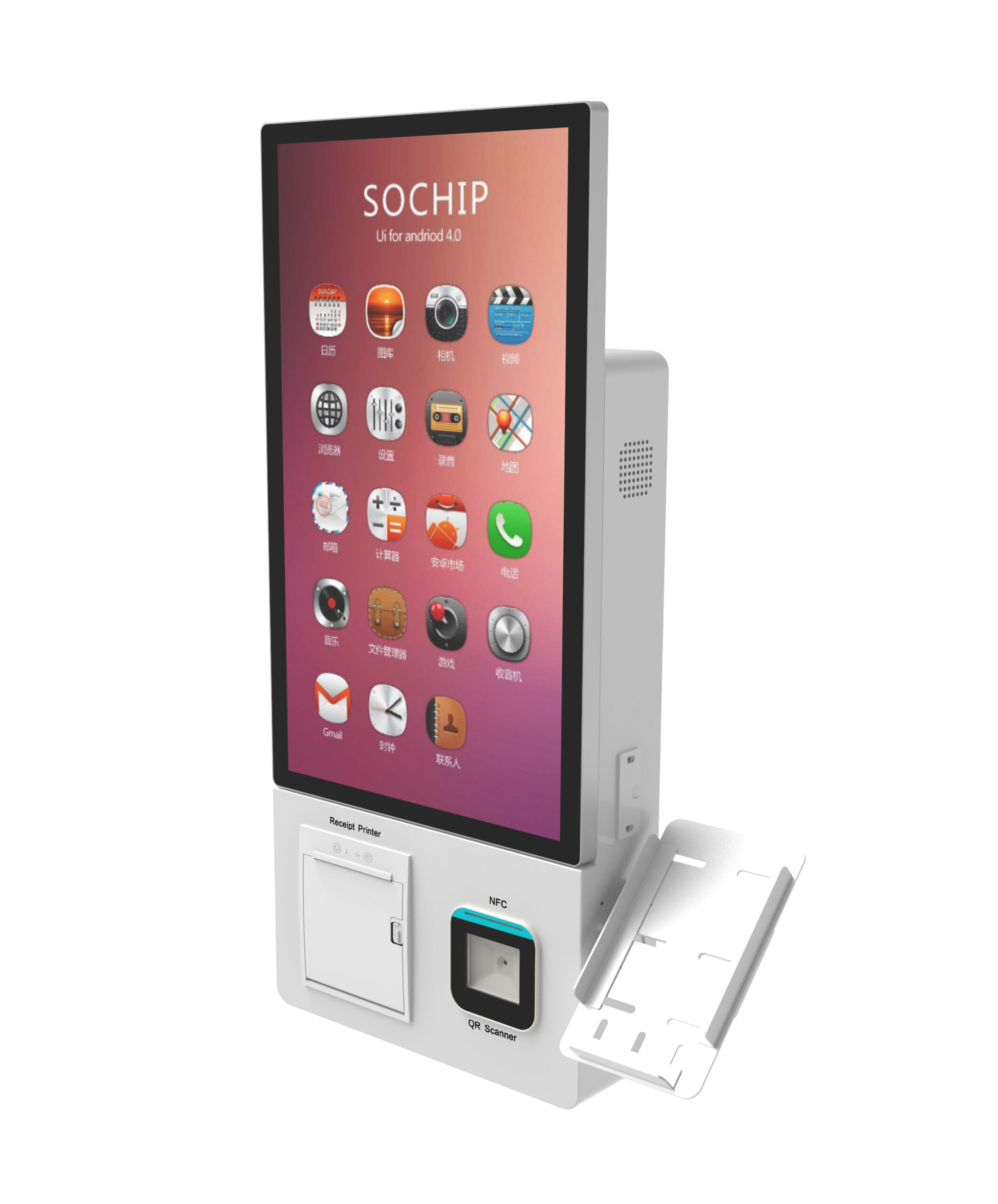
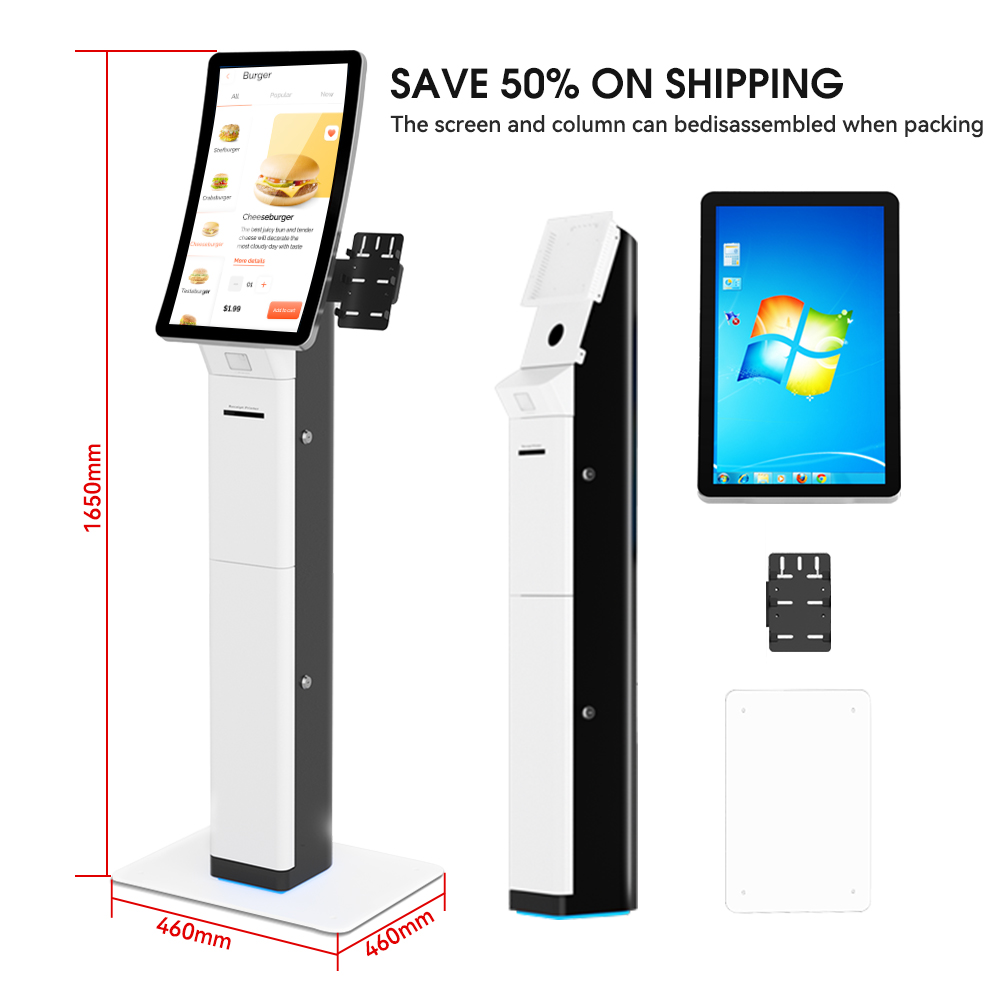
If you are preparing a shortlist for branch self-service hardware, the fastest way to test a supplier’s schedule discipline is to send them your transaction flow, your branch count and your target go-live, and ask for a gate plan back. Compare it against the configurable freestanding cash-handling platform — FREESTANDING CASH-HANDLING SELF-SERVICE KIOSK — together with mounting and footprint options such as the wall-mount self-service kiosk and the small-footprint tabletop kiosk , and ask which modules fall inside standard tooling and which would trigger a new design cycle.
Request a quote, sample unit and lead-time schedule — send your requirements freeze document and target branch dates, and we will return a stage-by-stage schedule, MOQ and programme options, plus a factory walkthrough clip of sample build and burn-in so your acceptance criteria match the line.